For most Multan homes without cheap piped gas, a heat-and-cool inverter AC is the cheapest way to warm one room this winter: roughly Rs 14-19 per kWh of heat, against about Rs 24 for LPG and Rs 47 for an electric heater (estimates, as of October 2026). Protected-slab homes must check the 200-unit limit before switching.
Key takeaways
- A heat-and-cool inverter AC delivers about 2.5 to 3.3 units of heat for every unit of electricity, so it costs roughly a third of an electric oil or rod heater to run.
- Protected SNGPL gas is still the cheapest heat by a wide margin, if your area has gas pressure during the supply windows.
- LPG sits in the middle at about Rs 24 per kWh of heat at the October 2026 OGRA price of Rs 279.34/kg.
- If your home is on the protected electricity tariff, an extra 55-110 units of heating can push you past 200 units and cost far more than the heating itself.
How much does each heater cost per kWh of heat in Multan?
A fair comparison looks at the cost of heat that reaches the room, not the fuel price. The table converts each fuel into rupees per kWh of delivered heat at October 2026 prices.
The assumptions behind it: 1 MMBtu of gas equals 293.07 kWh, LPG holds about 12.8 kWh per kg, a gas or LPG heater turns about 90% of the fuel into room heat, and electricity costs about Rs 47.5 per unit all-in. That electricity figure is an estimate for a non-protected home in the 301-400 unit slab: the NEPRA 2026 slab rate of Rs 36.46 plus the reported surcharge and quarterly adjustment, with 18% GST added. Your own bill may differ, so check it.
| Heat source | Fuel price (Oct 2026) | Working | Estimated Rs per kWh of heat |
|---|---|---|---|
| SNGPL protected gas | Rs 200-350/MMBtu | 200 to 350 ÷ 293.07 ÷ 0.9 | about Rs 0.8-1.3 |
| SNGPL non-protected, low slab | Rs 1,250/MMBtu | 1,250 ÷ 293.07 ÷ 0.9 | about Rs 4.7 |
| SNGPL non-protected, top slabs | Rs 3,800-4,200/MMBtu | 3,800 to 4,200 ÷ 293.07 ÷ 0.9 | about Rs 14-16 |
| Inverter AC in heat mode | about Rs 47.5/unit | 47.5 ÷ COP 3.3, and 47.5 ÷ COP 2.5 | about Rs 14-19 |
| LPG cylinder | Rs 279.34/kg | 279.34 ÷ (12.8 × 0.9) | about Rs 24 |
| Electric oil, rod or fan heater | about Rs 47.5/unit | 47.5 ÷ 1 | about Rs 47 |
The gas prices come from the SNGPL schedule effective 1 July 2025, which the government kept unchanged for FY2026-27 (Profit, July 2026; slab detail in Profit, June 2025). The LPG ceiling is OGRA's October 2026 price of Rs 3,296.23 per 11.8 kg cylinder (Mettis Global).
The AC efficiency range comes from a real spec sheet. Gree's 1.5-ton GS-18PITH11 lists a rated heating output of 5,300 W for 1,600 W of input (spec listing), which works out to a COP of about 3.3. On cold nights and during defrost cycles the real figure drops, so 2.5 is used as the low end.
What does one winter month of heating cost? A bedroom example
Take one bedroom heated for 6 hours a night for 30 nights. Assuming the room needs about 1 to 1.5 kW of heat, the month needs about 180 to 270 kWh (6 h × 30 × 1 to 1.5 kW).
| Heat source | Working | Estimated monthly cost |
|---|---|---|
| Inverter AC heat mode | 180 ÷ 3.3 = 55 units; 270 ÷ 2.5 = 108 units; × Rs 47.5 | about Rs 2,600-5,100 |
| LPG heater | 180 to 270 ÷ 11.5 kWh per kg = 16-23 kg; × Rs 279.34 | about Rs 4,400-6,500 (1.4 to 2 cylinders) |
| Electric heater | 180-270 units × Rs 47.5 | about Rs 8,500-12,800 |
| Non-protected gas, low slab | 0.68-1.02 MMBtu × Rs 1,250 | about Rs 850-1,300, plus a fixed charge you pay anyway |
Two things are clear from that table. An electric heater costs about three times as much as an AC for the same heat, because it turns one unit of electricity into one unit of heat, while the AC moves heat in from outside. And LPG, which many Multan homes without piped gas rely on, now costs more than AC heating for most households.
These figures leave out fixed charges (SNGPL charges Rs 600 protected, Rs 1,500 or Rs 3,000 non-protected) and FCA. Treat them as a comparison, not a bill forecast.
The 200-unit protected slab trap: when AC heating gets expensive
This is the part most heater comparisons skip, and it matters more than any figure above. Under the NEPRA 2026 tariff (SRO 279(I)/2026, applied by MEPCO), a protected household pays telescopic rates: Rs 10.54 for the first 100 units and Rs 13.01 for units 101-200. A non-protected household pays one rate on every unit, set by the slab its total lands in.
To stay protected you must remain at or below 200 units a month. According to Bijli Bills' 200-unit guide, one month above 200 makes the connection non-protected for the next six months. Check the exact rule on your MEPCO bill or with your sub-division office, as the wording has not been confirmed against the SRO text.
A worked example for a 150-unit home
Say your house normally uses 150 units in winter. Energy charge on the protected tariff: 100 × 10.54 + 50 × 13.01 = about Rs 1,705.
Now add 80 units of AC heating, bringing the month to 230 units. You are no longer protected, so every unit is billed at the 201-300 slab rate: 230 × 33.10 = about Rs 7,613. Those 80 heating units have raised the energy charge by about Rs 5,900, which is roughly Rs 74 per unit.
If you drop back to 150 units the next month, you pay the non-protected 101-200 rate: 150 × 28.91 = about Rs 4,337, around Rs 2,630 more than before, for up to six months. All of these are energy-charge estimates before tax, fixed charge and adjustments.
Tip
Before using heat mode, look at your last six MEPCO bills. If you are protected and usually above 120-130 units, a heat-mode AC can tip you over 200. In that case keep using gas or LPG, or heat for fewer hours and track the meter weekly.
Why AC heat mode works well in Multan's winter
A heat-and-cool AC is a heat pump. It pulls warmth out of the outdoor air and releases it inside, and it does this most efficiently when outdoor temperatures are mild. Heat-pump efficiency starts to fall sharply mainly below about 5 °C (Purmo).
Multan suits this well. Average January lows are about 4.5 to 6 °C and daytime highs about 20 to 23 °C (Climate of Multan, Meteonews normals). Nights occasionally dip below freezing, and on those nights the AC will work harder and pause to defrost its outdoor coil, which is normal.
How to use an inverter AC in heat mode
- Select heat mode (usually a sun icon) on the remote, not "auto" or "fan".
- Keep the door and windows closed. Heating a room with a gap under the door wastes much of the AC's output.
- Set a moderate temperature. Every degree higher makes the compressor run harder for longer.
- Get the unit serviced before winter if it sat unused since summer, and clean the filters.
Heat-and-cool ACs available now
Only buy for heating if the model is sold as heat-and-cool. A cool-only AC cannot heat at all. Two current options with heat-and-cool in the model name:
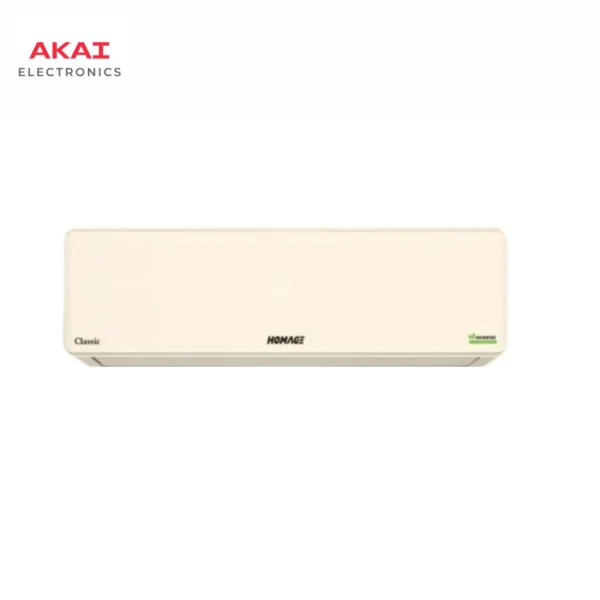
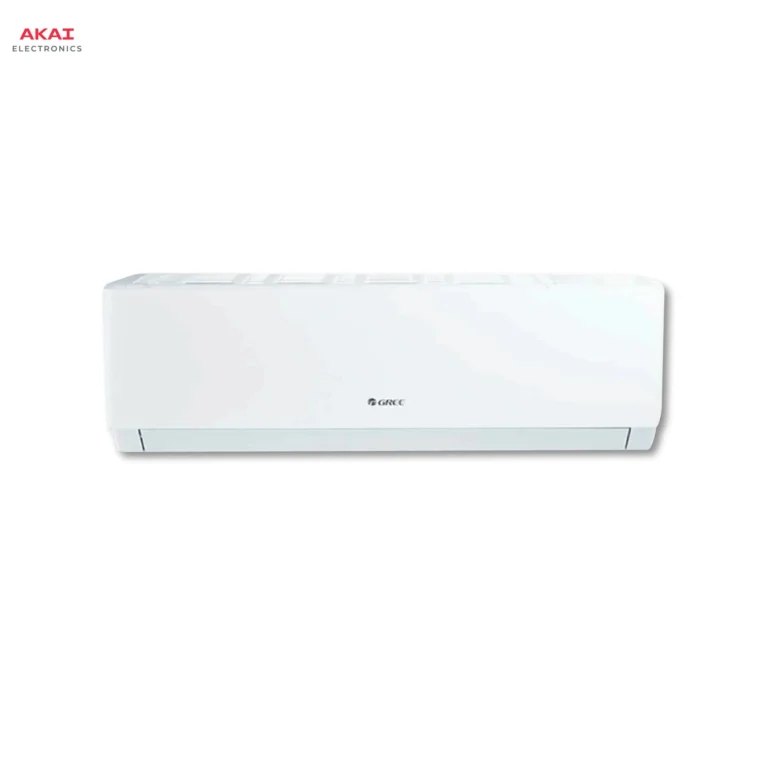
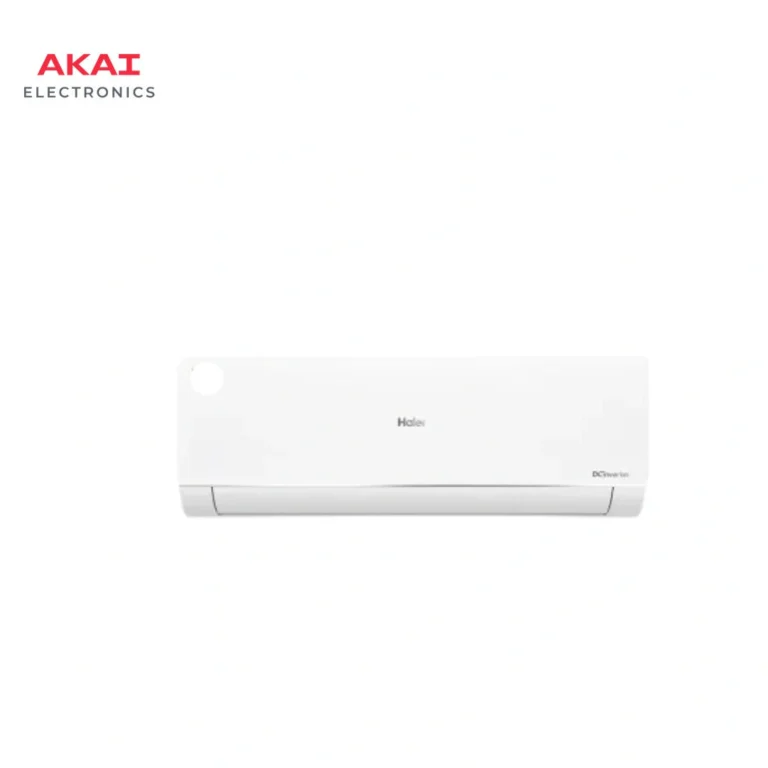
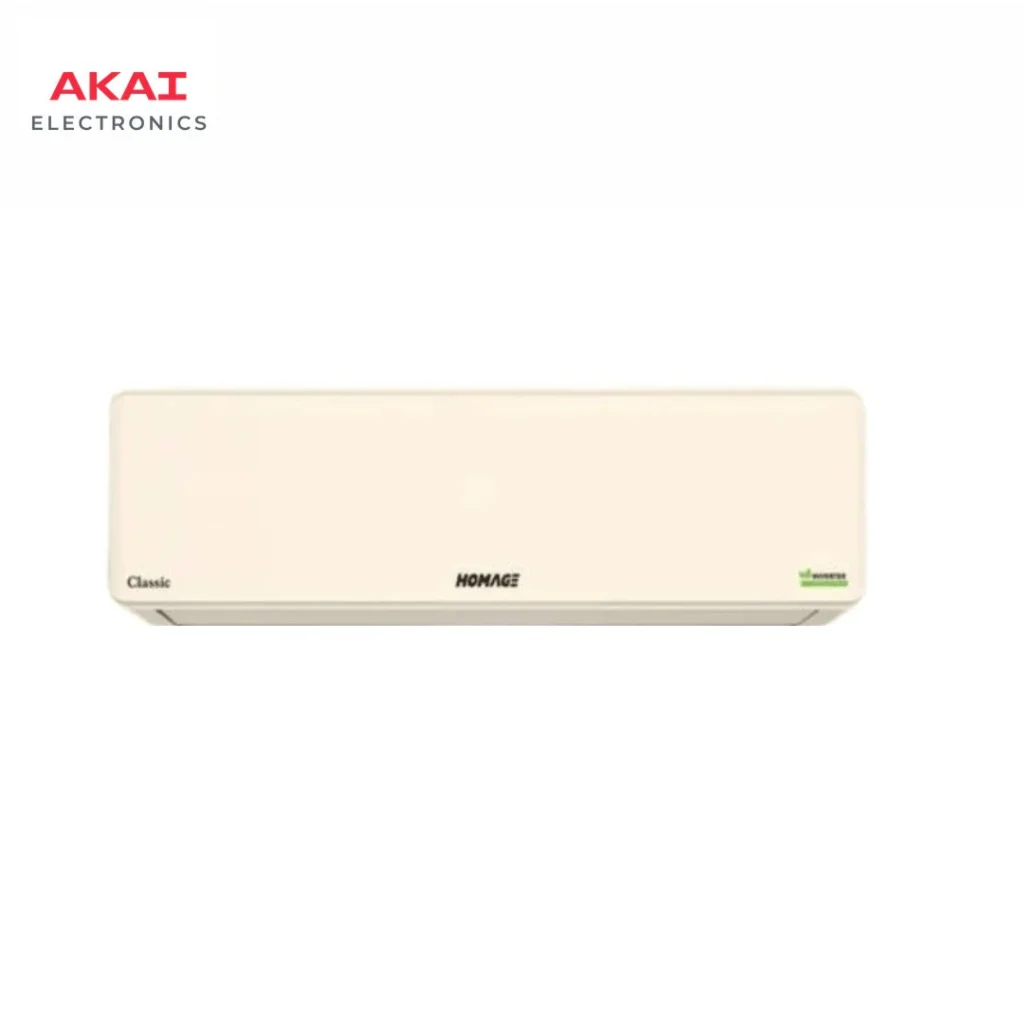
1.5-ton heat-and-cool split, a typical size for a bedroom or small lounge.
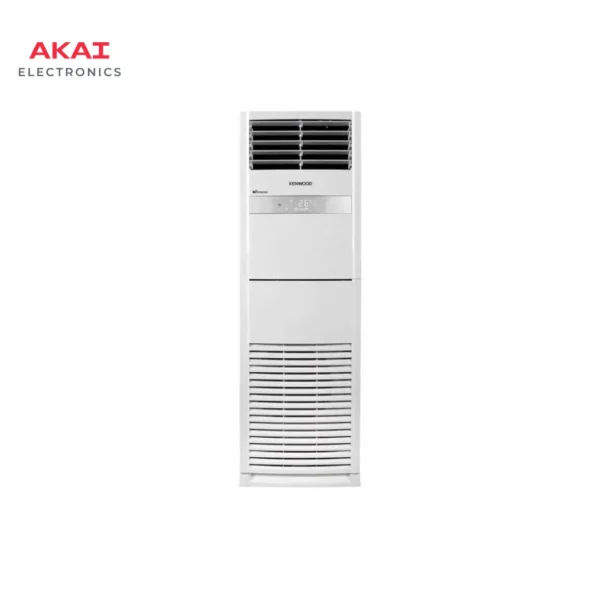
4-ton heat-and-cool floor-standing unit for a large hall or shop floor.
You can compare more models in the air conditioners collection. Ask on WhatsApp which ones in your tonnage include heating before you order.
Gas heater, LPG or AC: safety, gas pressure and load-shedding
Cost is only part of the decision. Gas and LPG heaters burn fuel inside the room. Rescue 1122 repeats the same advice every winter: keep the room ventilated, switch the heater off at intervals, and never sleep with one running (APP). Suffocation deaths from heaters in closed rooms are reported in Punjab every year (Dawn, 2022).
In winter 2025-26, SNGPL supplied Punjab households in three windows: about 5:30-8:30, 11:30-13:30 and 17:30-20:30 (Profit, Dec 2025). The 2026-27 schedule had not been announced as of mid-October 2026. Late-night gas may not be there when you need it.
An AC has no flame and no carbon monoxide risk, so it is the safer choice for a bedroom at night. Its weakness is electricity load-shedding. A UPS or rooftop solar will not run heating at night unless you have batteries sized for it.
What owners report
Many owners list winter heat mode as one of the main reasons they chose an inverter. One owner reports his Haier heat-and-cool unit performing better than he expected. Hybrid gas heaters draw a small amount of electricity (one reports about 35 W) and shut off when the power goes.
The common complaint is heat mode suddenly blowing cold air. Owners are usually told to call the brand's service centre.
Frequently asked questions
How many units does an inverter AC use in heat mode?
A 1.5-ton inverter AC heating one bedroom for 6 hours a night uses roughly 55 to 110 units a month, based on 180-270 kWh of heat and a COP between 2.5 and 3.3. That is an estimate. Larger rooms, very cold nights, open doors and a high temperature setting all push the figure up. Check your meter after the first week.
Is AC heating cheaper than a gas heater?
It depends on your gas tariff. Protected SNGPL gas at Rs 200-350/MMBtu works out to about Rs 1 per kWh of heat, far cheaper than an AC at about Rs 14-19. But if you pay the top non-protected gas slabs or use LPG, an inverter AC is about the same or cheaper, and it has no flame or carbon monoxide risk.
Is an electric heater or AC heat mode better for the bill?
AC heat mode, by a wide margin. An electric oil, rod or fan heater turns one unit of electricity into one unit of heat. An inverter AC in heat mode delivers about 2.5 to 3.3 units of heat per unit of electricity. For the same warmth, an electric heater costs roughly three times as much to run, as of October 2026 tariffs.
Can every inverter AC heat in winter?
No. Only heat-and-cool (reversible) models can heat. Cool-only models have no reversing valve and cannot produce warm air. The model name or spec sheet usually says "heat and cool" or "H&C" and lists a heating capacity. If the spec sheet shows only a cooling figure, assume the AC cannot heat and ask before buying.
Will AC heating make me lose the protected electricity tariff?
It can. Protected status requires staying at or below 200 units a month, and one month above 200 is reported to remove it for the following six months. If your home normally uses 130-150 units, adding 55-110 heating units can cross that line. Track your meter weekly or use gas for most of your heating.
What to do next
Check your last six MEPCO bills to see whether you are protected and how close to 200 units you run. If you have room to spare, or you are already non-protected, a heat-and-cool inverter AC is the cheapest safe way to heat a bedroom in Multan. Browse the air conditioners collection, then send the model and your room size on WhatsApp (+92 313 1607080) and we will confirm whether it heats. We deliver across Pakistan from our shop in Cantt, Multan.