Most inverter ACs and inverter fridges sold in Pakistan do not need a stabilizer if your voltage stays within the range printed on the spec sheet, often around 150-260 V for ACs. You need one if your supply regularly falls below that range. Every home benefits from a fast over- and under-voltage protector on the main line.
Key takeaways
- Check the working voltage range on the spec sheet first. Several inverter ACs list 150-260 V or wider, and some fridges list 105-260 V.
- Measure your actual voltage at peak hours before buying anything. A stabilizer only helps if your voltage goes outside the appliance's range.
- A main-line voltage protector cuts power when voltage goes dangerously high or low. It does not correct voltage, but it protects everything in the house.
- If you buy a stabilizer, size it at the appliance's VA plus 20-25%, and check its low-voltage cut-off.
Is a stabilizer required for an inverter AC?
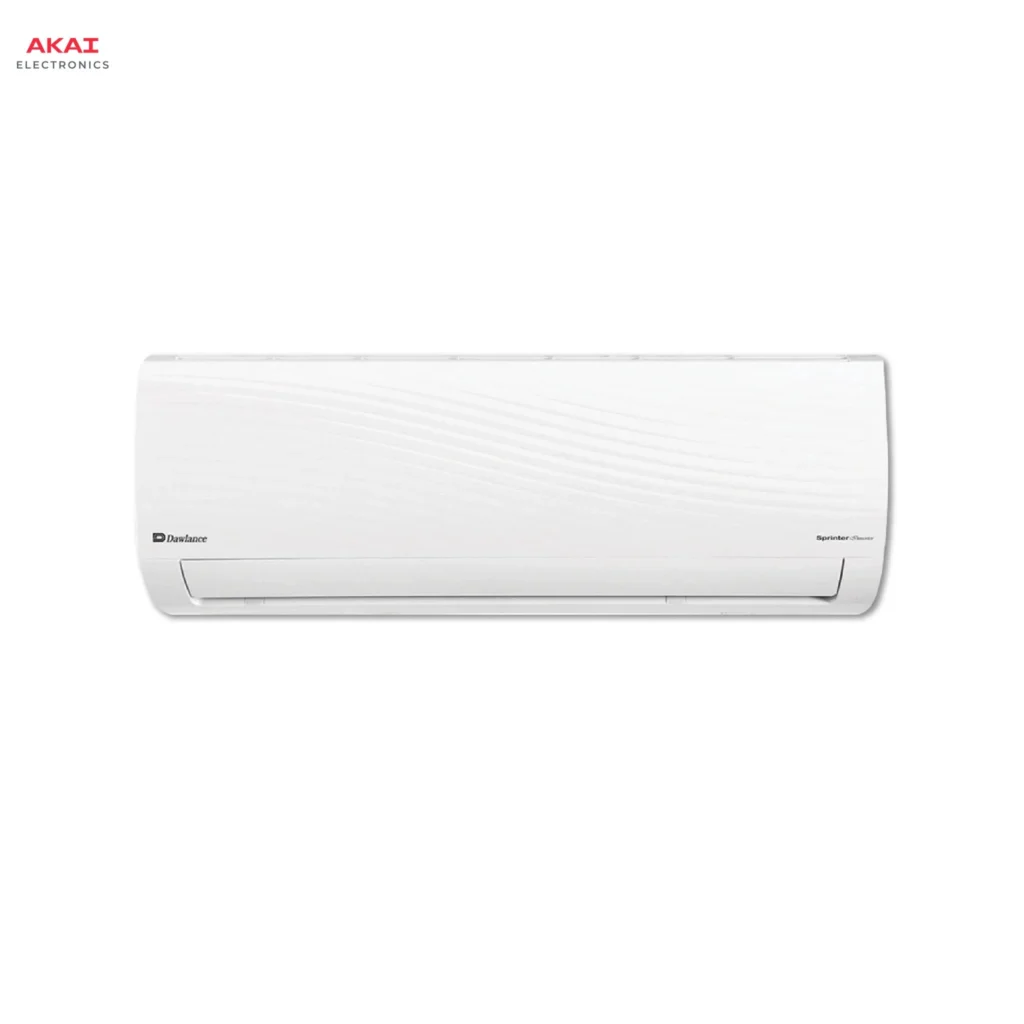
Usually not, if the AC's listed voltage range covers what your home actually gets. Retailers say many DC inverter ACs can start at about 150 V, and manufacturers print a working range on the spec sheet. For example, the Dawlance Sprinter X 30 page lists 150-260 V, and the Gree GS-18AITH23W-T3 page lists 130-275 V.
That range is the manufacturer's claim, and it varies by model. Check it for the exact unit you are buying, not the brand in general.
Owner experience supports a middle path. One owner reports that swings between 170 and 210 V caused compressor overheating and trips, and a stabilizer fixed it. Others warn against sales pitches claiming an AC or stabilizer "works at 90-100 V". One user found a 3 kW branded stabilizer would not work at all below 100 V.
When an AC does need a stabilizer
- Your voltage regularly drops below the lower limit on the spec sheet, typically in summer evenings at peak load.
- You are on a long line at the end of a feeder, or in a rural area with weak supply.
- The AC keeps tripping or showing a voltage error code at certain times of day.
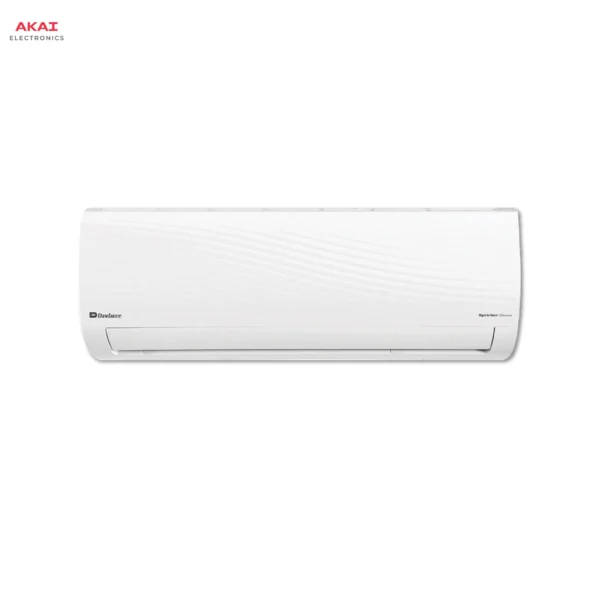
1.5-ton inverter whose product page lists a 150-260 V range.
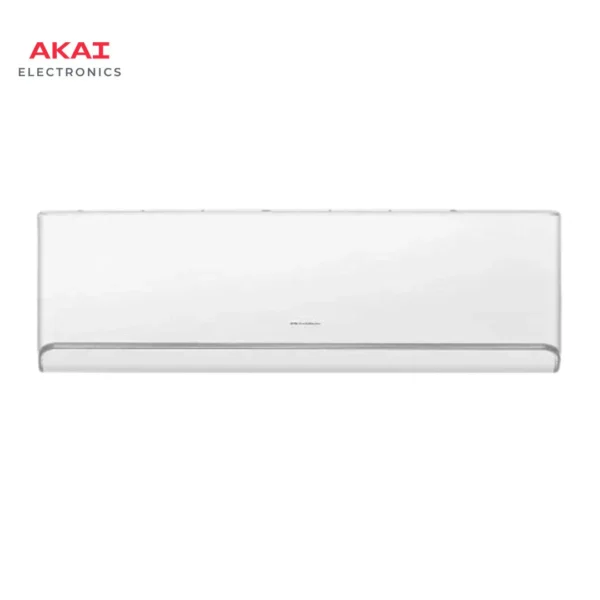
1.5-ton Gree T3 inverter listed for 130-275 V operation.
Does an inverter fridge or deep freezer need a stabilizer?
Inverter fridges and freezers generally cope with low voltage better than older fixed-speed models, because the compressor starts softly. Orient makes this claim for its inverter range (Orient). Some models print very wide ranges: Haier's HDF-405 inverter deep freezer is advertised for 105-260 V without a stabilizer (listing), and the Haier HRF-346 IDRA fridge page lists 105-260 V.
Two cautions. Read the warranty card: some fridge makers exclude damage from voltage fluctuation, which matters if your area has bad swings (V-Guard describes this for Indian brands; check your own card). And a fridge runs 24 hours a day, so it is exposed to every night-time spike and every surge when power returns after load-shedding.
Owners asking about stabilizers for fridges and freezers mostly end up recommending a good protector over a stabilizer for city homes.
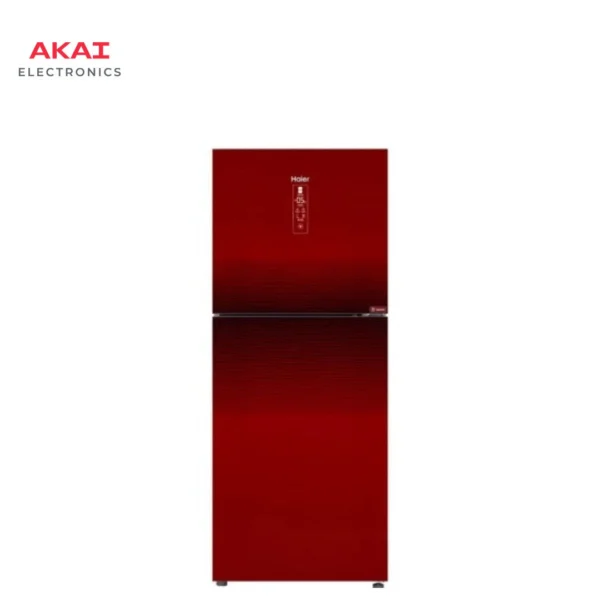
Haier fridge whose product page lists 105-260 V operation.
More options are in the refrigerators and deep freezer collections.
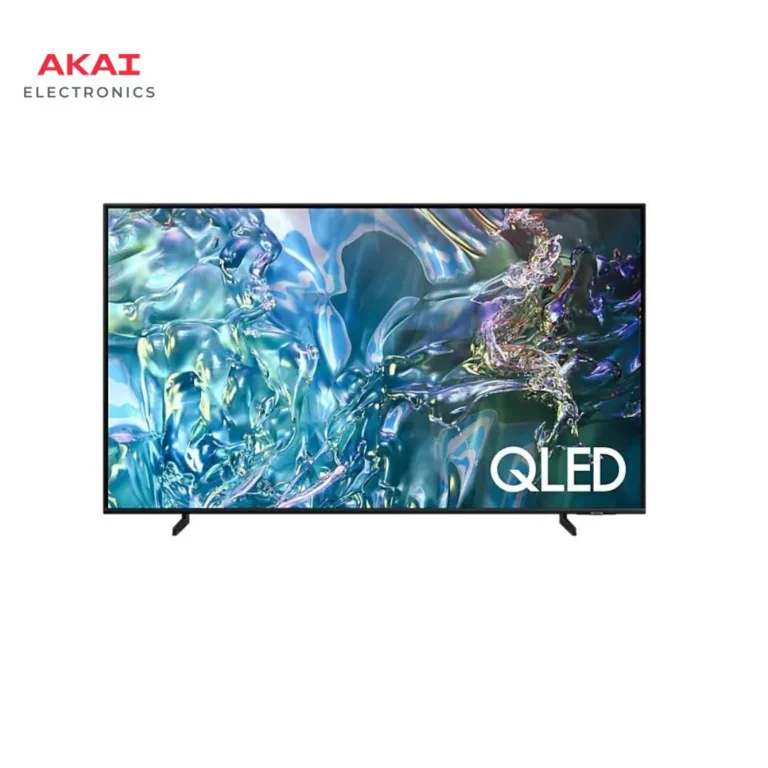
Is a stabilizer required for an LED TV?
Rarely. Look at the label on the back of the TV or in the manual. Many TVs list a wide input range, and if your voltage stays within it, a stabilizer adds nothing. What TVs do need is protection from spikes, especially when power returns after load-shedding. A surge-protected extension board, or a main-line protector, covers that.
If your area has severe low voltage that dims lights and stalls fans, a small stabilizer for the TV and entertainment corner is reasonable. Otherwise spend the money on protection for the whole house. Browse TVs in the LED TV collection.
Stabilizer vs voltage protector: which do you need?
These two devices are often confused, and shops sometimes sell one as the other. A stabilizer corrects voltage. A protector does not correct anything: it disconnects the load when voltage goes outside safe limits, then reconnects after a delay.
| Device | What it does | Good for | Watch out for |
|---|---|---|---|
| Relay stabilizer | Boosts or cuts voltage in steps | One AC or fridge in an area with regular low voltage | Check the low-voltage cut-off; many stop working well above 100 V |
| Servo stabilizer | Corrects voltage smoothly with a motor | Whole-house or large loads | Owners report servo types react more slowly than relay types |
| Main-line over/under-voltage protector | Cuts the whole supply when voltage is too high or low | Every home; protects all appliances at once | Must be wired in by an electrician; set sensible cut-off limits |
| Cheap plug-in protector | Cuts one appliance off at set limits | Light use only | Owners report cheap local units cut off too slowly, around 1-2 seconds |
Experienced users recommend DIN-rail main-line protectors of the Tomzn type over cheap local plug-in units.
Does voltage matter in winter too?
Yes, but the problem changes. In summer the usual complaint is low voltage in the evening, when every AC on the feeder is running. In winter the load drops, and late-night voltage can sit at the high end of the range instead. The other winter risk is the moment power returns after load-shedding, when every appliance switches back on at once.
A protector with a reconnect delay handles both: it keeps the supply off while voltage is too high, and waits a few seconds to a few minutes after power returns before switching the house back on. That delay is most useful for fridges and freezers, which run around the clock and so face every cut and restart.
Tip
Buy a cheap plug-in voltmeter or a protector with a display, and check your voltage at 8-10 pm on a hot day and again late at night. Two readings tell you more than any sales pitch about whether you need a stabilizer.
How to size a stabilizer for a 1.5 ton inverter AC
The usual method is to add up the appliance's VA and add a 20-25% margin, then check the stabilizer's working range (V-Guard sizing guidance; the products are Indian, but the method applies anywhere).
Worked example, as an estimate: Gree's 1.5-ton GS-18PITH11 lists a maximum cooling input of 1,900 W (spec listing). Assuming a power factor close to 1, that is about 1,900 VA. Add 20-25%: 1,900 × 1.2 = 2,280 VA, and 1,900 × 1.25 = 2,375 VA. So a stabilizer rated around 2.5-3 kVA suits that AC.
If the label gives current instead of watts, multiply the amps by 230 V to get VA. Then check two more numbers on the stabilizer: its lowest input voltage, and how fast it cuts off on a spike. A stabilizer that stops at 140 V will not help a home that drops to 120 V.
Frequently asked questions
Is a stabilizer required for an inverter AC in Pakistan?
Not usually, if your voltage stays within the range on the AC's spec sheet. Many inverter ACs list around 150-260 V, and some go wider. If your voltage regularly drops below the lower limit at peak hours, or the AC trips with voltage errors, a correctly sized stabilizer helps. A main-line protector is worth having either way.
Does an inverter fridge need a stabilizer?
Most inverter fridges handle low voltage better than older models, and some list ranges as wide as 105-260 V. In a city home with normal supply, a fast voltage protector is usually enough. Read the warranty card, though: some makers exclude damage from voltage fluctuation, so protection of some kind is sensible for a fridge that runs all day.
What size stabilizer do I need for a 1.5 ton AC?
Take the AC's maximum input in watts or VA and add 20-25%. For a 1.5-ton inverter with a maximum input of about 1,900 W, that is roughly 2,300-2,400 VA, so a 2.5-3 kVA stabilizer fits. This is an estimate. Also check the stabilizer's lowest working voltage matches the lows you actually see at home.
Is a voltage protector better than a stabilizer?
They do different jobs. A protector cuts power when voltage goes too high or too low, protecting every appliance on the line. A stabilizer corrects voltage so one appliance keeps running. For most city homes with inverter appliances, a good main-line protector is the better first purchase. Add a stabilizer only if low voltage keeps stopping an appliance.
Do I need a stabilizer for an LED TV?
Usually not. Check the input range on the TV's back label. If your home voltage stays inside it, a stabilizer adds nothing. The bigger risk for a TV is a spike when power returns after load-shedding, so use a surge-protected board or a main-line protector instead, and unplug the TV during storms.
What to do next
Measure your voltage at peak and off-peak hours, then compare it with the range on the spec sheet of the AC or fridge you want. If the model's range covers your readings, put the money into a main-line protector instead of a stabilizer. You can check listed voltage ranges in the air conditioners collection, or send the model and your voltage readings on WhatsApp (+92 313 1607080) for advice. We deliver across Pakistan from Cantt, Multan.